Global AI-Grid Alliance | Sustainable Infrastructure 2026
Implementation-First Platform

Global
AI-Grid
Alliance

A demand-side deployment platform optimizing grid-connected battery systems through algorithmic load-balancing to preserve state utility revenues while enabling corporates to meet 24/7 clean energy obligations.

The Hyderabad Collective
AI Grid Infrastructure

"We use AI to stabilize the very grids that power AI."

The Scaling Challenge

Executing 'RE for RTC'

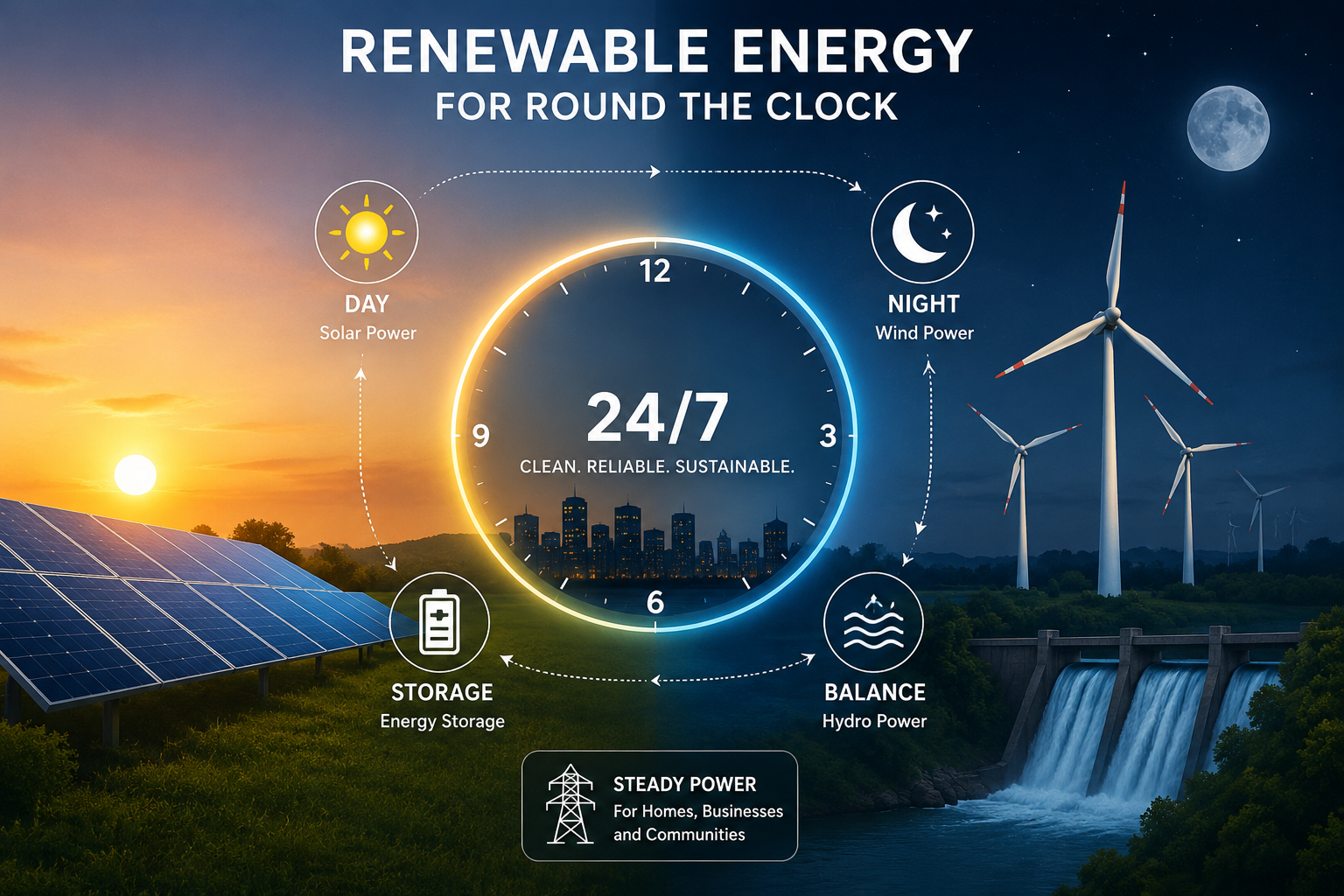
The rapid global scaling of Artificial Intelligence represents an unprecedented infrastructure challenge. Existing electrical networks are unequipped to handle the continuous baseload required by hyperscale data centers.

The Alliance facilitates Round-the-Clock renewable operation by blending software intelligence with utility-scale co-located Battery Energy Storage Systems (BESS).

5,000
MW Target
1,500
MWh Standard

Establishing a benchmark 4-hour BESS storage blueprint for subnational utility adoption to strengthen grid reliability.

Operational Mechanisms

The Three Implementation Engines

DEMAND-MATCH

Aggregating Load Profiles: Brings global tech hyperscalers together to project compute timelines and future load centers for DISCOMs.

+ CO-LOCATION PLANNING

Allows utilities to prioritize storage zoning directly alongside workloads, eliminating mid-mile bottlenecks.

+ ZONING PRIORITIZATION

Strategic load center mapping for subnational DISCOMs well ahead of compute center construction.

DE-RISK

Blended Capital Facility: Pools risk guarantees from MDBs and philanthropic organizations to shield infrastructure developers.

+ VGF MAXIMIZATION

Leverages frameworks like India's Viability Gap Funding to drop procurement costs to commercial parity levels.

+ PROCUREMENT PARITY

Eliminating utility off-taker default risks through pooled multilateral financial instruments.

BLUEPRINT

Standardized Policy Packs: Synthesizes advanced regulatory steps into plug-and-play legal templates for subnational adoption.

+ TARIFF MODERNIZATION

Provides frameworks for specialized Time-of-Day (ToD) tariff exemptions on battery charging loops.

+ TOD EXEMPTIONS

Standardizing 4-hour discharge benchmarks to reduce exposure to volatile market spikes.

Anchor Institutional Framework

The Telangana Case Study

In mid-2026, the Telangana Electricity Regulatory Commission (TGERC) formally approved a 1,500 MWh utility-scale BESS deployment across Maheshwaram and Choutuppal.

"Telangana bypassed the traditional 2-hour discharge model, opting for a 4-hour framework—the precise technical benchmark the Alliance intends to standardize."

The 4-hour discharge profile allows the state grid to absorb surplus daytime solar energy and bridge evening peak demand without purchasing volatile market power. This platform allows the state to offer a customized 'AI-BESS RTC Tariff' directly to tech hyperscalers.
Contextual Analysis

The Pillars of Action

The Green Power Grid

+

Utility-Scale Storage: Integrating advanced battery storage directly into regional transmission networks.

Direct PPAs: Giving hyperscalers the regulatory freedom to source clean energy via open-access policies.

The Water-Positive Mandate

+

GaaS Pipelines: Prioritizing treated industrial grey-water for data center cooling loops.

Liquid Cooling: Incentives for transitioning to high-efficiency direct-to-chip cooling systems.

People's Credit

+

Circular Economy: Refurbishment of data center hardware waste to anchor new green industries.

Vocational Training: Rapidly transitioning local workforces into technical infrastructure roles.

© 2026 The Meridian Collective | Alliance Secretariat

Swaniti Initiative serves as the founding Secretariat, we have a deep understanding of how to leverage political economy dynamics to drive meaningful, long-term change.

Follow Us On

You have been successfully Subscribed! Ops! Something went wrong, please try again.