An action-oriented forum designed to bridge the gap between policy and implementation for the Global South.
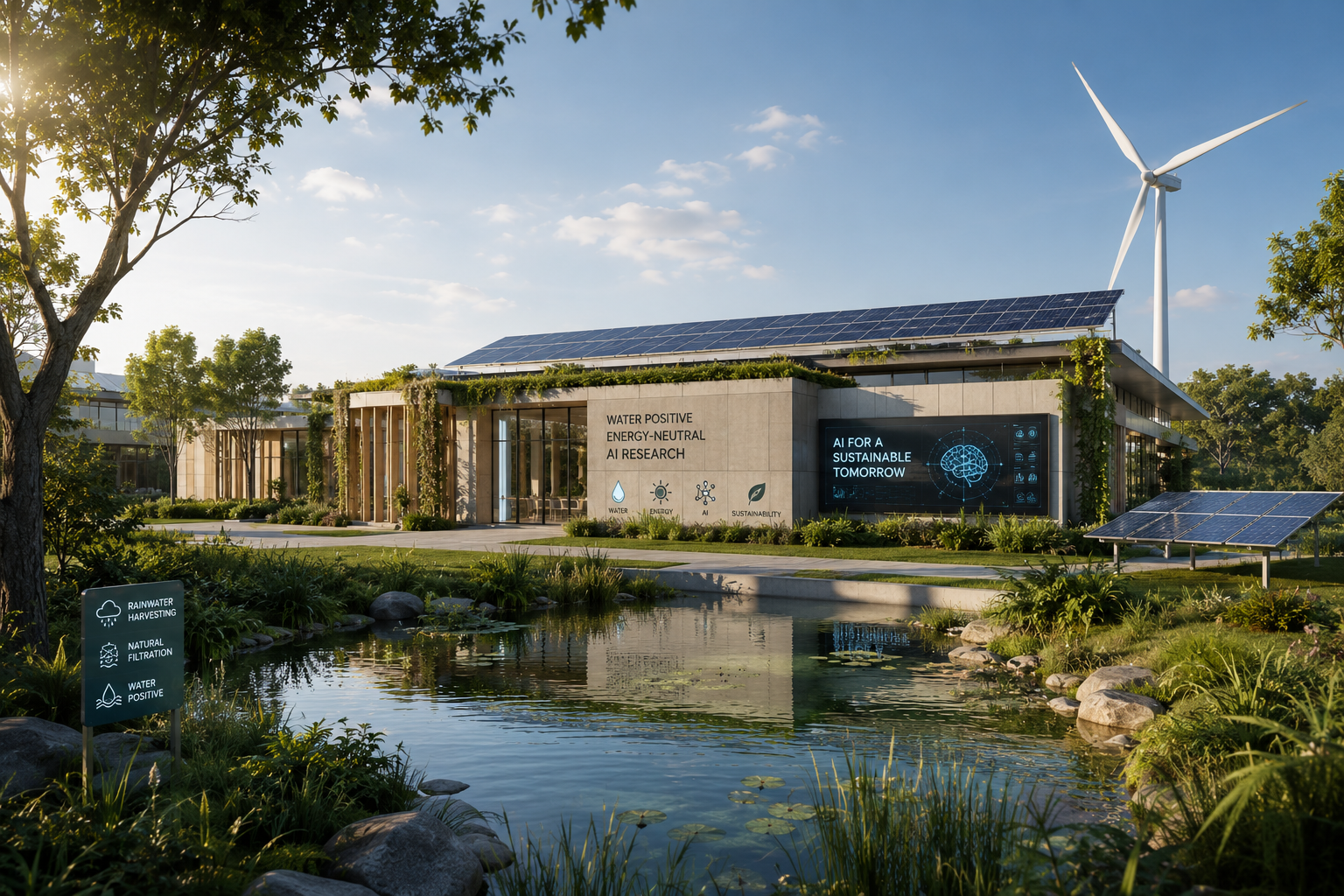
"Forging public-private frameworks to deploy market-driven solutions for complex climate challenges."
Climate commitments have been made. Pledges have been signed. Goals have been set. But temperatures continue to rise, emissions continue to increase, water systems continue to be threatened. And the efforts of one country or one company will not matter if there’s no collaboration, no shared vision or interoperable standards that can actually facilitate action on a global, cross-sectoral scale.
The Green Growth Economic Summit (GGES) is dedicated to facilitating such collaboration and the necessary collective actions that will bridge the gap between policy and execution, accelerating implementation of climate commitments across the Global South. Anchoring the Summit is a focus on public-private cooperation, with government agencies and private sector companies harnessing unique strengths for faster impact on a wider scale.
By convening some of the most important economic leaders and thinkers from the Global South and around the world – Chief Ministers and Members of Parliament, C-Suite executives from tech and energy companies, and more – we will bypass high-level platitudes about climate change and sustainability and emissions. Instead, we will focus on facilitating discussions and working groups aimed at designing operational frameworks to drive the systemic transformations necessary to realize a sustainably-powered, water-positive, economically inclusive future for all.
Architecting capital models that incentivize sustainability while allowing both public and private sectors to thrive.
Providing rigorous technical and strategic secretarial support to operationalize public-private commitments into ground-level assets.
Convening tech pioneers, renewable energy partners, and global policy leaders to build an interconnected, enabling environment.
Today, we stand at a critical convergence: a historic technological revolution driven by the AI boom, an unprecedented infrastructure surge demanding immense power and water resources, and an accelerating global climate crisis. At this definitive juncture, our path forward splits into two distinct futures. We can either pioneer a sustainable ecosystem powered by clean energy, advanced water-positive technologies, and a highly innovative workforce—or we can lapse back into carbon-heavy habits, compounding the exact environmental strains we are trying to escape.
On 7th and 8th of July, pioneering leaders will come together as the Hyderabad Collective. The tech capital of the Global South, which is rapidly becoming a model for innovative approaches to synchronizing AI innovation with sustainable development, provides a fitting backdrop as we explore collaborative solutions to a defining question:
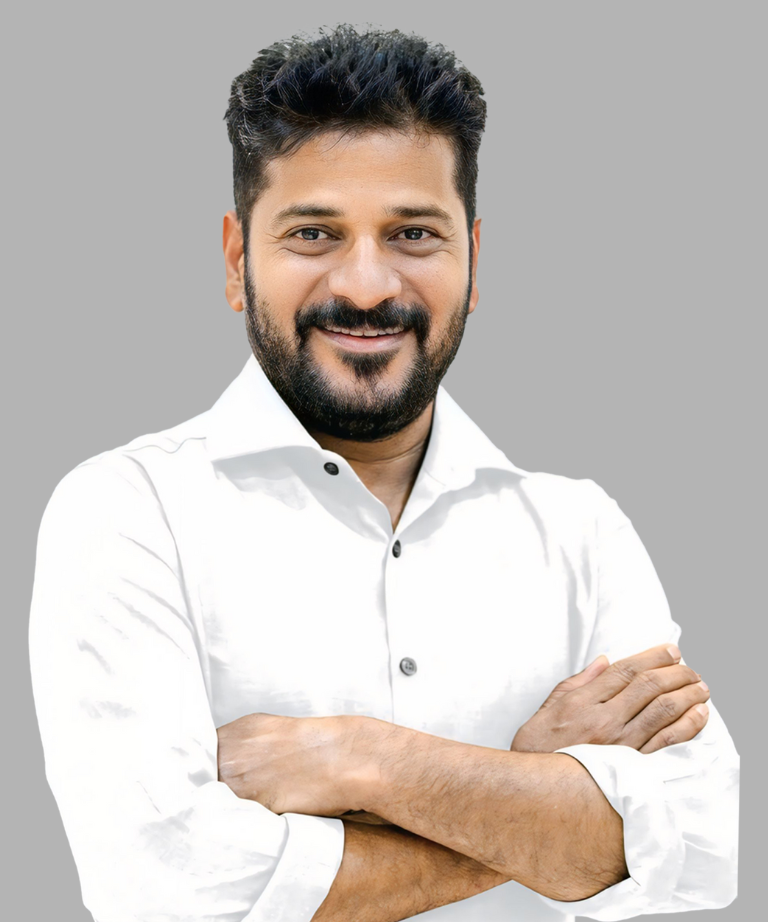
Hon. Chief Minister of Telangana
Under the leadership of Chief Minister Shri Revanth Reddy, Telangana has transitioned from a participant in the digital economy to an active architect of its sustainable future. Championing its rise as "The Future State," Telangana is actively developing a core framework for global leadership and societal impact.
"India must lead across all layers of the AI ecosystem, from green energy-powered data storage to core platforms. We need to use AI strongly for the achievements of social justice, inclusion, and the removal of poverty."
The new wave of infrastructure development gives us an opportunity to rethink the contours of a green grid, find pathways to revitalize our water bodies, and innovate on technologies to train and prepare a workforce that is more productive and impactful.
Grid Upgradation via Utility-Scale Storage: Collaborative public-private frameworks will integrate advanced battery storage systems directly into regional transmission networks.
Dedicated Substations & Hyper-Dense Transmission: Infrastructure development will be streamlined by fast-tracking the zoning and construction of high-capacity substations engineered exclusively for data center corridors.
Direct Power Purchase Agreements (PPAs) & Open Access: Telangana's push for open-access policies will be leveraged as a model for giving hyperscalers the regulatory freedom to source clean energy directly from private renewable developers.
Grey-Water-as-a-Service (GaaS) Pipelines: Additional public-private frameworks will prioritize treated industrial grey-water for data center cooling loops, ensuring scale while protecting fresh water sources.
Economic Offsets for Advanced Liquid Cooling: Targeted regulatory and financial incentives will offset the capital costs of transitioning to high-efficiency, direct-to-chip liquid cooling systems that drastically reduce net resource consumption.
Fast-Track Approvals & Interoperable Portals: Unified digital networks will provide a guaranteed 30-day regulatory approval window for any company meeting or exceeding the Alliance's water-positive infrastructure standards.
Circular Economy & E-Waste Management: Subnational circular economies will incentivize responsible harvesting, recycling, and refurbishment of accelerated data center hardware waste to anchor brand-new green-collar industries.
AI-Driven Training for Ancillary Industries: AI-powered vocational tools will rapidly train, certificate, and transition a local workforce into specialized technical roles in new infrastructure supply chains like battery storage manufacturing.
Tradable Asset Allocation (The People's Credit): A tiered People’s Credit system will convert corporate community engagement and local upskilling programs into audited, tradable assets recognized by participating public sector regulators.
By the end of the event, the Hyderabad Collective will have established operational frameworks and implementable roadmaps to facilitate joint public-private actions strengthening electricity grids, conserving crucial water resources, and ensuring communities and workers benefit from the AI revolution.